My book El Sonido de la Noche is of the fantasy genre, specifically epic fantasy, according to Wikipedia:
Heroic fantasy or epic fantasy is a subgenre of the fantasy genre, primarily of literature,… characterized by the presence of mythological or fantastic beings, the fictional setting of a medieval, ancient, undefined character or, in any case, based on technologically backward societies, and a strong magical and epic component more.
In the case of my novel, the fictional setting is of a Pre-Hispanic character. Now, it might seem that when writing a novel of this type everything comes from the author’s mind, but there is also a lot of research behind it, because although the world is totally fictional (the kingdom, the cities, the characters, etc.), the things on which it is based are real and even if it is fantasy the story must have certain coherence. For example, for ESDLN I had to investigate certain things about the daily life of Pre-Hispanic people, especially the Mayans and Aztecs, so as not to include flying cars. There is much to learn from these cultures, especially because it is a very little explored terrain compared to others like Nordic, Creek, or the Middle Ages. I am going to summarize as much as I can some things I found interesting.
An example is what they ate. It turns out that their diet was based mainly on fruits, vegetables, and plants: Of course corn, pumpkins, tomatoes, and other legumes, also one or another animal like rabbits, turkeys, and deer, although to a much lesser extent. Pig and beef did not exist in this part of the world until after the arrival of the Spaniards, although there were wild boars. And if you read the story you will discover that I had to read a lot about the spices they used. Other things of daily life were how they dressed, what they worked on, how they cooked, what houses were made of, or even what children played.
Another aspect was their means of transport, practically they walked from one place to another. Commerce was a recurrent job, merchants (like our protagonists Iktan and Trop), carried their merchandise practically on their backs, although in the story I mention carts because it was necessary for the plot.
I also had to investigate what their political and military organization was like, the weapons they used, what their hierarchies were, as well as the way their cities were organized. For example, I learned that the Mayan king was known as Halach and the “counts” or legislators of the cities were known as Holpop; they decided things like on which side the city would grow and administered tributes (taxes).
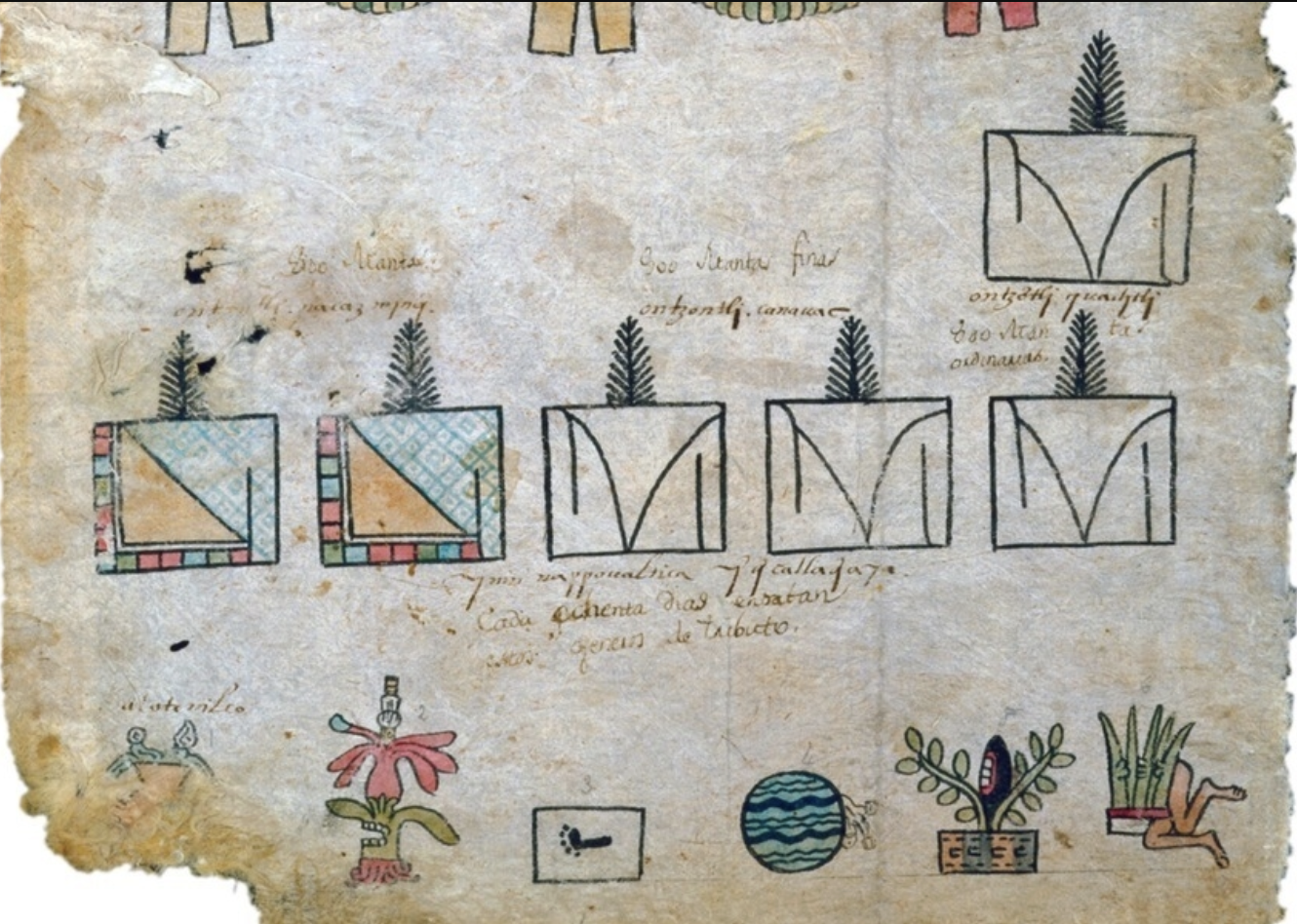
Something that amused me a lot was investigating about money: The main currency was cocoa, although they also traded with sea shells, especially in cities far from the sea where people found them more valuable. Another mode of trade was barter or simple exchange, but it became more difficult as there was more variety of merchandise. I even investigated prices and wages, for example, a day laborer earned about five cocoas per day, an egg cost one cocoa and a rabbit about three. In ESDLN I focused only on cocoas not to add so much complexity. During this part I asked myself “And what if something costs many cocoas or if you are a merchant? Do you have to carry a sack of cocoas?”. Then I found that they had a currency called Quachtli. A Quachtli is a cloth embroidered with animals or gods and was worth three hundred cocoas! So they didn’t have to carry so much seed.
I also had to investigate things that I didn’t even expect and are not related to the cultures I mentioned, for example above I mention that people traveled on foot. Since in the story the characters must travel from one city to another I had to investigate what is the speed of a person walking or running, how long can they walk to stop to rest, and how much more time would be added if they go through the forest or the jungle. All this to calculate how long it would take to reach another city. Since the kingdom of Calaktum is totally fictional I had to determine what its approximate territory area would be, a somewhat complex but fun task.
Although there is much more I do not want to make this article very long, so finally another thing I found very fun was mythology and folklore. It is impossible to cover everything these cultures have to contribute to us. I would spend my whole life just with one of them and to top it off I got into trouble by including several 😅, so I tried to include what I liked most about them, some ancient legends and others taken from my imagination or seasoned by me. Something that I did try, and that I hope does not affect, is not to focus much on the gods, simply because I think it is the most explored terrain and most used cliché when Pre-Hispanic stories are created, so the gods are a theme that is present, but not the main thing in the plot.
During the reading, you might find some historical discrepancies, although I tried to keep them to a minimum, but the ones I include I think are with a purpose that contributes more than it could affect. As I mention in the prologue one of these things is the Coacallis, or inns, of which there is no record until 1525 A.D. after the arrival of the Spaniards.
I do not expect (nor would I wish) that this book be used as a source of information. It does not have the rigor of an essay, a history book, or even a historical novel. Keep in mind that it is a fantasy novel, and as such mostly what you will read is invented and taken from my imagination, its purpose is to entertain and I hope it makes you have a good time. Without further ado, I hope you are encouraged to read it and enjoy it.
By the way, the average speed of a person walking at a brisk pace on a flat path is about 6km/hr 😁